 MetalsAlloy
2055 Aluminum
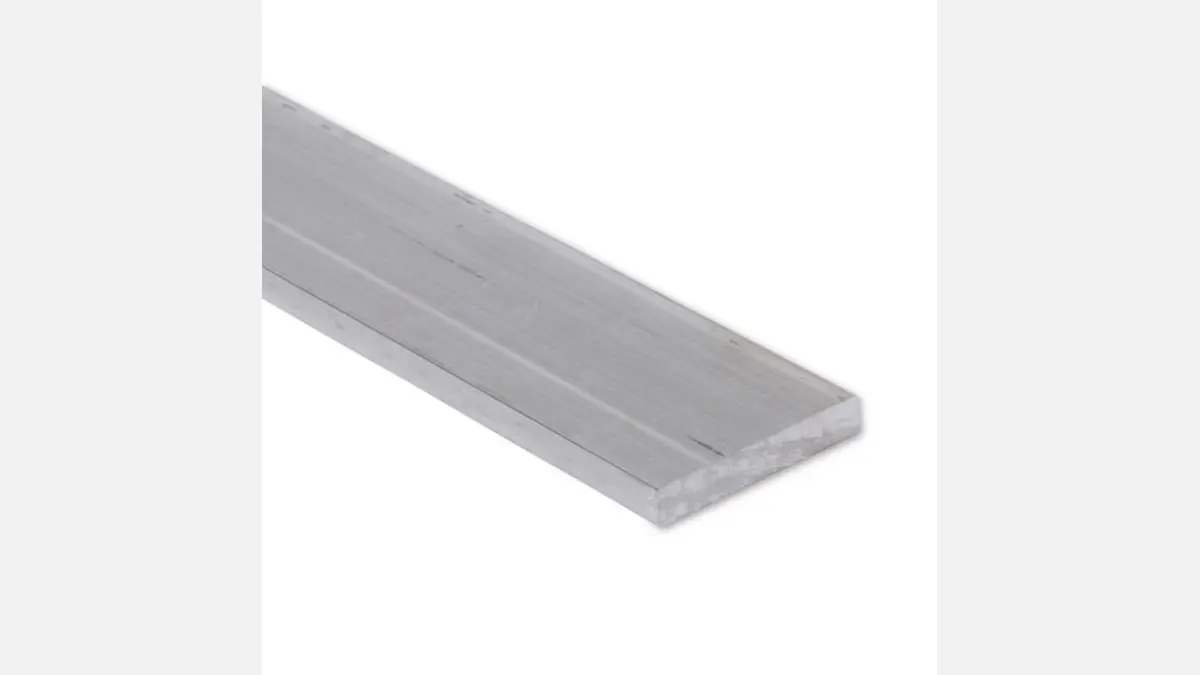
Image Credit: cdn11.bigcommerce.com
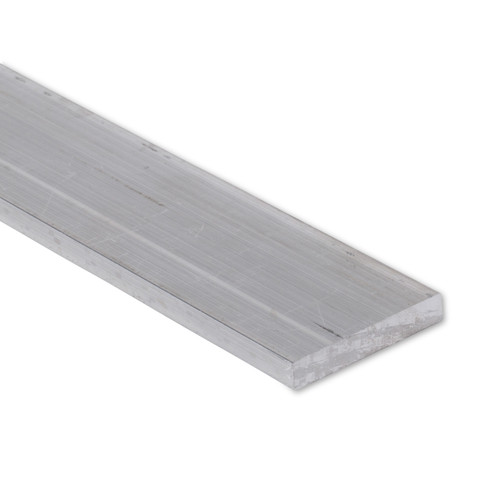
2055 Aluminum (AA 2055) is a registered wrought aluminum–copper–lithium alloy developed for high-strength, stiffness-sensitive structures. Its controlled copper, lithium, silver and zinc additions support precipitation hardening while lithium reduces density relative to conventional high-strength aluminum alloys. The alloy is particularly associated with T84 extrusions, where suppliers position it for aerospace, motorsport and other statically or dynamically loaded components. Compared with conventional high-strength 2xxx and 7xxx products, 2055 is selected where the balance of low weight, modulus, fatigue performance and damage tolerance is important.
| Chemical Composition wt.% | ||
|---|---|---|
| Element | Min | Max |
| Silicon | — | 0.07 |
| Iron | — | 0.10 |
| Copper | 3.2 | 4.2 |
| Manganese | 0.10 | 0.50 |
| Magnesium | 0.20 | 0.60 |
| Zinc | 0.30 | 0.70 |
| Titanium | — | 0.10 |
| Silver | 0.20 | 0.70 |
| Lithium | 1.0 | 1.3 |
| Zirconium | 0.05 | 0.15 |
| Other elements, each | — | 0.05 |
| Other elements, total | — | 0.15 |
| Aluminum | Remainder | |
Composition notes
- Other elements, each: Maximum for each unspecified element.
- Other elements, total: Maximum total for unspecified elements.
Registered chemical-composition limits for wrought alloy 2055, reported as mass percent. Blank entries in the Aluminum Association registered-composition table are not listed here. “Other elements, each” and “Other elements, total” are maximum limits; aluminum is the remainder.
The available registered-alloy source reports a calculated nominal density for AA 2055. Strength, toughness, fatigue and corrosion performance are product-form- and temper-dependent; no numerical values for a specific 2055 product condition are presented in the supplied sources.
Use the button to switch between Metric and US Customary units.
| Physical Properties | Metric |
|---|---|
| Calculated Nominal Density | 2.70 Mg/m³ |
| Calculated Nominal Density | 0.097 lb/in³2.68 g/cm³ |
Test conditions & data notes
- Calculated Nominal Density: Active wrought alloy designation 2055; calculated nominal density.
- Calculated Nominal Density: Active wrought alloy designation 2055; calculated nominal density.
Material Conditions & Tempers
Temper must be specified with product form when ordering or designing with 2055. The supplied commercial information specifically identifies 2055-T84 extrusions; design allowables and mechanical-property requirements should be taken from the applicable product specification and thickness or section range.
T84: A solution heat-treated, cold-worked and artificially aged condition used for 2055 extrusions. The cited supplier describes 2055-T84 extrusions for high-strength, high-stiffness, fatigue- and damage-tolerance-oriented applications; numerical allowables are not reproduced in the supplied excerpt.
Advantages & Limitations
| Advantages | Limitations |
|---|---|
|
|
Processing & Fabrication
| Process | Description |
|---|---|
| Extrusion | 2055 is commercially identified in T84 extrusion form. Extrusion practice should be qualified for the intended section because profile geometry, quench response and residual stress can affect final properties. |
| Solution heat treatment and aging | The T84 condition is produced by solution heat treatment, cold work and artificial aging. Use the approved supplier or product-specification cycle rather than a generic 2xxx-series heat-treatment schedule. |
| Machining | The cited supplier reports favorable machining characteristics for 2055-T84 extrusions. Use rigid workholding and control cutting heat to protect dimensional accuracy in thin or slender sections. |
| Forming | The cited supplier describes favorable forming characteristics for 2055-T84 extrusions. Formability remains dependent on section design and temper; severe post-aging forming can risk cracking. |
| Joining and finishing | Select joining and surface-protection methods for a high-strength Al–Cu–Li alloy and the actual service environment. Evaluate galvanic couples, seal interfaces and qualify any welded or bonded joint for its required static and fatigue duty. |
Applications
2055 is best suited to weight-critical components that carry substantial static loads, cyclic loads or both. Its intended value is not simply high strength: the alloy targets a combined benefit of low density, stiffness, toughness and durability in qualified wrought products.
- Aerospace fuselage stringers: The cited supplier specifically identifies fuselage stringers, where extrusion efficiency, low weight, stiffness and damage tolerance are valuable.
- Aircraft floor beams: Floor-beam structures benefit from a high specific-stiffness material capable of supporting repeated service loads; floor beams are specifically named by the supplier.
- Compressor wheels and turbo impellers: The supplier identifies compressor wheels and turbo impellers, applications that value low rotating mass together with strength and fatigue resistance.
- Motorsport structural and powertrain components: 2055-T84 is marketed for motorsport uses requiring high tensile or compressive strength, low density and durability under dynamic loading.
- Other statically or dynamically loaded extruded members: The supplier positions 2055 for highly loaded components where strength, stiffness, fracture toughness and fatigue performance must be balanced.
Standards & Designations
| Designation | Value | Description |
|---|---|---|
| Aluminum Association International Alloy Designation System | 2055 | Active registered wrought aluminum alloy designation; chemical-composition limits are listed in the Aluminum Association Teal Sheets. |
| Aluminum Association | AA 2055 | Common designation for alloy 2055. |
| SAE AMS | AMS 4257 | The cited supplier states that 2055-T84 extrusions are covered by AMS 4257. Confirm scope, revision and purchase requirements in the current specification. |
Frequently Asked Questions
Is 2055 Aluminum the same as a conventional 2xxx aluminum alloy?
2055 belongs to the Al–Cu family but is distinguished by significant lithium, silver and zirconium additions. It is an Al–Cu–Li alloy designed for a lower-density, higher-modulus and high-strength property balance rather than a direct drop-in substitute for every conventional 2xxx product.
What does 2055-T84 mean?
T84 is a temper designation indicating a solution heat-treated, cold-worked and artificially aged product condition. The supplied source specifically discusses 2055-T84 extrusions. Actual mechanical allowables still depend on the applicable product specification, section size and product form.
Why is 2055 used for fuselage stringers and rotating performance components?
These applications can benefit from the alloy’s low density, high stiffness and high-strength/durability focus. The cited supplier specifically lists fuselage stringers, compressor wheels and turbo impellers, and describes strong fatigue and damage-tolerance performance for 2055-T84 extrusions.
References & Data Notes
- (n.d.). The Aluminum Association — International Alloy Designations and Chemical Composition Limits for Wrought Aluminum and Wrought Aluminum Alloys, Revised December 2025. https://www.aluminum.org/sites/default/files/2026-01/Teal%20Sheets%20December%202025.pdf
- (n.d.). Smiths High Performance — 2055-T84 Aluminium Lithium Extrusions. https://www.smithshp.com/aluminium-extrusions.htm
Composition and calculated nominal density are taken from the Aluminum Association registered-alloy publication for exact designation 2055. The supplied sources do not provide verified numerical mechanical, thermal or electrical values for a defined 2055 product form and temper; these must be obtained from the governing product specification or qualified supplier data.