MetalsAlloy
What Is the Best Wear-Resistant Steel for Machining Fixture Pads?
Published:
Direct Answer: Which Steel Is Optimal for Wear-Resistant Fixture Pads?
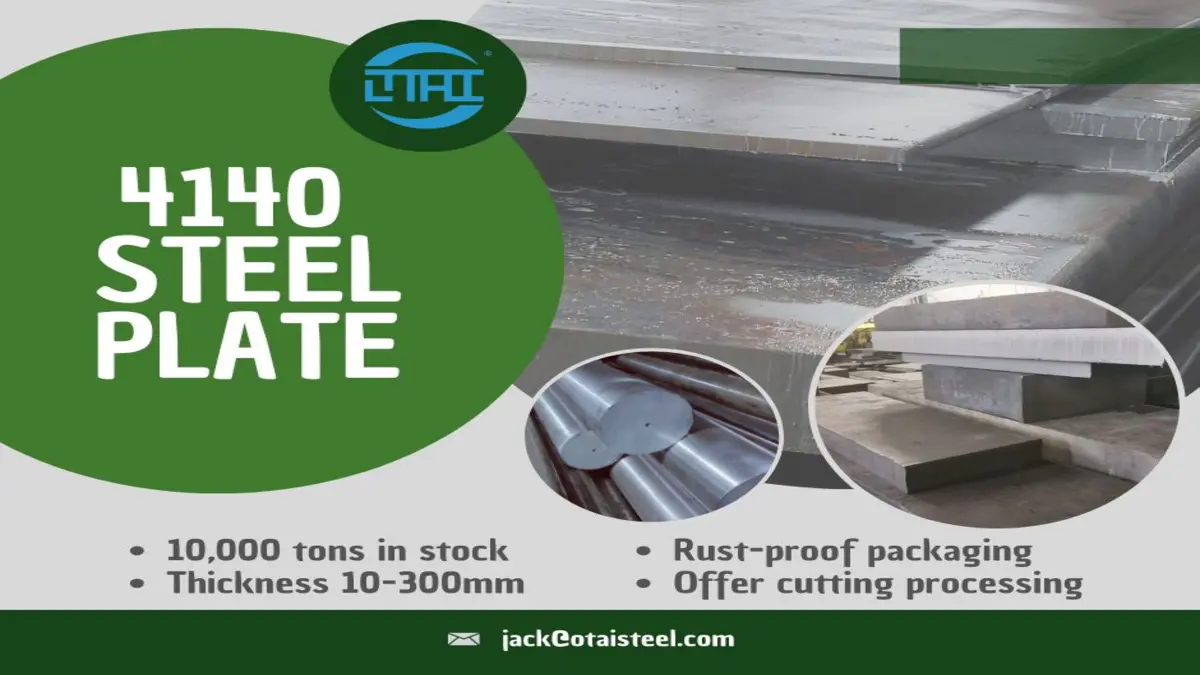
For Z-position locating pads on machining fixtures requiring both wear resistance and the ability to be hardened and ground, 4140 alloy steel (in hardened and tempered or pre-hardened condition) is generally the most practical and widely used choice. It exhibits an excellent balance of toughness, wear resistance, hardenability, grindability, and cost for high-use contact surfaces. 1050 medium-carbon steel is sometimes used but offers significantly less wear resistance and hardenability, making it less ideal for demanding or high-cycle applications. Tool steels (such as A2, D2) provide even higher wear resistance but at a higher material and processing cost, which is often unnecessary for typical fixture pads unless the application is highly abrasive or requires extreme longevity.
Below, this guide breaks down how to choose the right steel, with focused comparisons and practical recommendations tailored for fixture designers and machinists.
Common Steels for Fixture Locating Surfaces
1. 1050 Steel (Medium-Carbon Plain Steel)
- Properties:
- Approx. 0.50% carbon, low alloy content
- Can be through-hardened (typically up to ~50 HRC)
- Decent toughness, but limited wear resistance and depth of hardness compared to higher alloys
- Machinability:
- Good in annealed state, drops significantly after hardening becomes substantial
- Typical Applications:
- Simple contact pads, low-volume fixtures, where cost takes precedence over maximum durability
2. 4140 Alloy Steel (Chromium-Molybdenum Steel)
- Properties:
- Medium-carbon (0.38–0.43%), with Cr and Mo
- Excellent hardenability; can be uniformly hardened to ~28–32 HRC (prehard) or 50+ HRC (quenched/tempered)
- Good combination of strength, toughness, and wear resistance
- Maintains properties through moderate cross-sections
- Machinability:
- Easily machined in annealed or pre-hardened state
- Still machinable when hardened (carbide tooling recommended >32 HRC)
- Typical Applications:
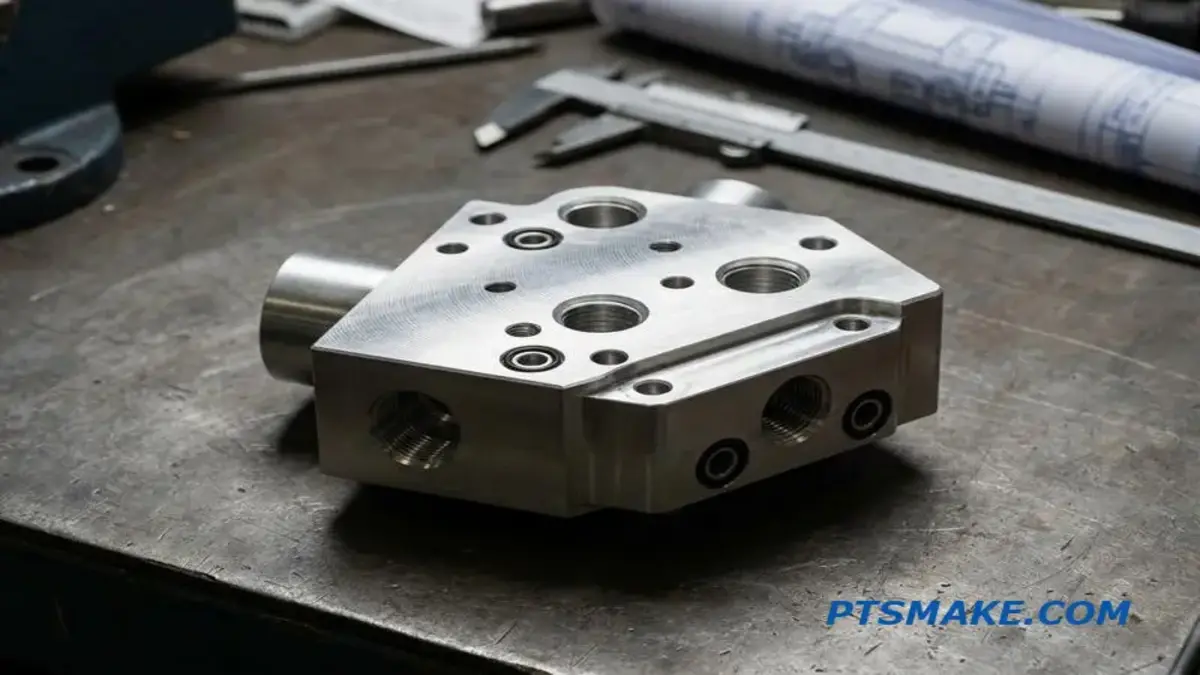
- High-wear fixture pads, locating blocks, support rails, bushings in demanding, repetitive use or tight-tolerance settings
3. Tool Steels (e.g., A2, D2, O1, S7)
- Properties:
- Designed for high wear, excellent edge retention
- A2: Air-hardening, good wear resistance and stability
- D2: Exceptional abrasion resistance (high carbide content)
- More challenging to machine and grind after full hardening
- Cost/Benefit:
- Highest initial part and tooling expense
- Best reserved for extreme wear or impact applications, not always justified for standard fixture pads
Comparing 1050 and 4140 for Fixture Pads
| Property | 1050 Steel | 4140 Steel | Notes |
|---|---|---|---|
| Type | Medium-carbon | Alloy (Cr-Mo) | |
| Hardness (after Q&T) | Up to 50 HRC (thin) | Up to 50–55 HRC | Thicker sections: 4140 hardens better |
| Wear resistance | Moderate | Good-to-excellent | 4140 retains hardness after wear better |
| Hardenability | Limited | High | 4140 for thicker parts and heavy use |
| Machinability (annealed) | Good | Good | |
| Post-heat treat machinability | Difficult | Difficult | Grinding is usual after hardening |
| Cost | Lower | Slightly higher | 4140’s higher price offset by durability |
| Final grind/finish stability | Moderate | Good | Less distortion in 4140 |
Summary: For pads requiring repeatable ground thickness, long service life, or replacement ease, 4140 is almost always superior. 1050 may suffice for low-cost, low-cycle pads.
Selecting the Right Condition and Product Form
4140 Steel – What Condition Should You Specify?
- Annealed
- Easier to machine, then heat treat and grind to final finish
- Risk of dimensional shift during heat treatment—critical for tight tolerance pads
- Pre-hardened (Q&T, typically 28–32 HRC)
- Can be machined and ground to final shape without further hardening for most fixture use
- Minimizes distortion, excellent for ground locating features
- Surface treatments (nitriding, black oxide, phosphate + oil) add further wear/corrosion resistance
- Fully Hardened (45–50+ HRC after Q&T)
- For highest-wear applications, parts are rough-machined, then heat treated, then precision ground
- Best for removable pads or inserts due to post-treatment grinding requirements
Sheet, Flat Bar, or Custom Pad Block?
- Buy ground flat bars (tool/precision steel stock) to minimize pre-machining for pad stock
- For complex profiles or mounting details, CNC rough machine > heat treat > finish grind or wire EDM as needed
Tool Steels – When to Use
- Choose A2, D2, or similar air-hardening tool steels if fixture is subject to extreme abrasive wear, or the fixture pad must outlast many production runs
- Always plan for grinding as the final step after heat treatment
Practical Guidelines for Machinists and Fixture Designers
1. How to Minimize Wear and Replacement Downtime
- Design pads as independent blocks, dowelled or socketed for repeatability
- Standardize pad thickness for regrinding or drop-in replacement
- Harden and grind working surfaces only (retain base fixture in less expensive steel)
2. Balancing Cost, Hardness, and Machinability
- 4140 prehardened is usually the most cost-effective balance—skip batch heat treatment and final grind unless needed for micron-level repeatability
- 1050 is only cost-effective for low-wear, low-cycle pads or if parts are large and less exposed
- Tool steel is justified only where abrasive slurry, impact, or extreme lifespan is required
3. Surface Treatments and Additional Wear Protection
- Nitriding 4140: increases surface hardness >60 HRC, ideal for sliding contact pads
- Black oxide or phosphate/oil: adds corrosion resistance, modest effect on wear
- Carbide-tipped pads (replaceable): for ultimate longevity and non-marring surfaces
When to Use Alternative Materials
- Aluminum: Never for wear contacts, but ideal for fixture bases
- Stainless (SUS 304/316, 440C): When combined wear and corrosion resistance are needed, but not as durable as 4140/tool steel in dry or abrasive use
- AR steel (AR400/AR500): Intended for high-abrasion, non-machined pads; rarely used when precision grinding is required
Example Fixture Pad Selection Table
| Application | Steel Recommendation | Condition | Finish |
|---|---|---|---|
| Standard Z-locating | 4140 | Pre-hardened (QT) | Ground, polished |
| High-wear, abrasive | A2 Tool Steel or D2 | Hardened | Ground |
| Low-cost, low-cycle | 1050 | Through-hardened | Ground |
| Corrosive environment | 4140 (nitrided) or 440C | Hardened/nitrided | Ground, passivated |
Key Takeaways for Shop Implementation
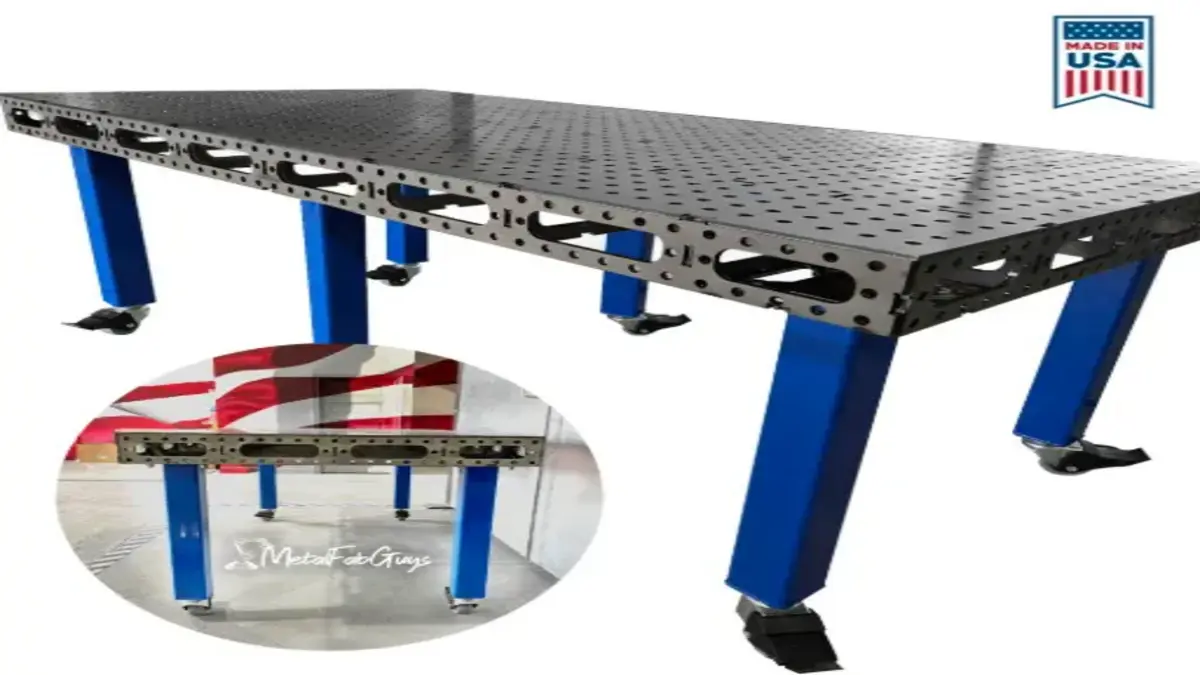
- Select wear-resistant steel only for true contact pads or locators—don’t over-specify base fixtures.
- 4140 pre-hardened ground steel bar is the go-to stock for most machining fixture contact pads.
- Final grinding or wire EDM ensures geometry after hardening and assembly.
- Plan for straightforward, repeatable replacement: use dowels, shoulder stops, and standardized designs.
- Surface treatment can add further longevity—evaluate nitriding or black oxide for your application.
Conclusion: Why 4140 Is the Standard for Wear-Resistant Fixture Pads
For Z-position locating pads or other precision fixture surfaces requiring grindability and wear resistance, 4140 alloy steel strikes the best balance of hardenability, cost, machinability, and dimensional stability. While 1050 can be used to save money in low-wear cases, it cannot match the through-hardness or lifespan of 4140 in production settings. Reserve high-alloy tool steels for the most demanding, abrasive applications.
Always plan for finish machining or grinding after heat treatment to ensure tolerance and surface quality, and design pads for easy replacement and longevity. Choosing the right grade—and specifying the correct condition—will reduce fixture maintenance, increase part consistency, and maximize the value of your investment in custom machining fixtures.
If you need to choose between quench and tempered 1050 and 4140 they can both achieve An equivalent high strength on a small part.
References
4140 Alloy Steel: Properties, CNC Machining Applications and Surface Treatment Guide. (n.d.). tuofamachining.com. https://www.tuofamachining.com/news/4140-alloy-steel-properties-cnc-machining-applications-and-surface-treatment-guide-333118.html
Alloy steel CNC machining service | Custom Alloy steel parts | Protolabs Network. (n.d.). hubs.com. https://hubs.com/cnc-machining/metal/alloy-steel
Alloy Steel Metal Material for Machining and Stamping. (n.d.). zdcpu.com. https://www.zdcpu.com/material-selection/metal/alloy-steel
China Alloy Steel CNC Machining Manufacturers Manufacturer, Supplier | Yuanwenyu. (n.d.). ywy-cnctechnology.com. https://www.ywy-cnctechnology.com/alloy-steel-cnc-machining
Is 4140 Steel Machinable?. (n.d.). otaisteel.com. https://www.otaisteel.com/is-4140-steel-machinable
Is 4140 Steel Machinable?. (n.d.). otaisteel.com. https://otaisteel.com/is-4140-steel-machinable
Wear-Resistant Fixture Components: Material, Heat Treatment & Replaceable Locator Design – Custom CNC Machining Services China | Precision Parts Manufacturer – Kaimingwei. (n.d.). kmwcnc.com. https://kmwcnc.com/wear-resistant-fixture-components
Wear-resistant steels: properties and applications. (n.d.). htmetalglobal.com. https://htmetalglobal.com/wear-resistant-steels