MetalsAlloy
How Do You Select the Right Tool Steel for Wear, Hardness, and Machinability?
Published:
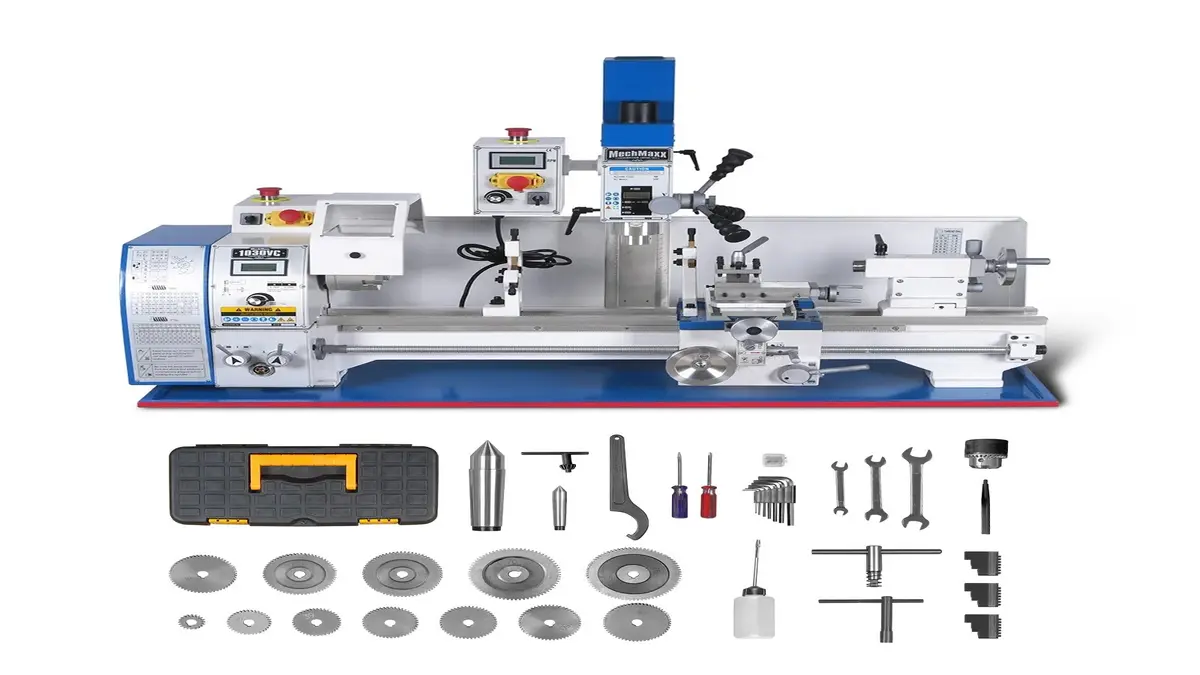
Selecting the right tool steel comes down to a practical balance: you need enough hardness and wear resistance for your application, but you also want reasonable machinability and good tool life. With dozens of options available, understanding the main tool steel categories, alloying effects, and common grades will help you quickly narrow your choices for everything from dies and cutting tools to punches, molds, and general shop tooling.
Direct Answer: Key Steps for Tool Steel Selection
- Define your application needs: Identify whether you need the most wear resistance, high toughness, extreme hardness, heat resistance, or easy machinability.
- Choose the main tool steel group: Select between cold-work, hot-work, high-speed, shock-resistant, or specialty types based on your operating temperature and stresses.
- Match the grade properties: Use steel comparison tables to prioritize hardness, toughness, and wear resistance for your job.
- Decide on hardening method and machinability: Air, oil, or water hardening affect ease of heat treatment and post-hardening distortion.
- Check form and supply: Most grades are sold as annealed bar or plate, ready for machining and later heat treatment. Pre-hardened grades are also available for plastic molds and quick tooling setups.
Let’s break down these steps and provide side-by-side grade comparisons for practical workshop decision-making.
| — | — | | Carbon | Hardness, wear resistance | Higher carbon means greater achievable hardness and more wear-resistant carbides. | | Chromium | Wear resistance, hardenability | Improves depth of hardening, corrosion resistance, and forms hard chromium carbides. | | Vanadium | Wear resistance, grain refinement | Promotes uniform grain structure and forms extra-hard carbides. | | Molybdenum | Red hardness, toughness | Maintains hardness during temperature spikes. | | Tungsten | Red hardness, wear resistance | Key for high-speed grades, increases hot edge retention. | | Manganese | Through-hardening, toughness | Deeper hardness into section and less cracking on quench. | | Silicon | Toughness, strength | Moderator for deoxidizing and fine-tuning toughness. | | Cobalt | Hot hardness | Used in special high-speed and hot-work steels. |
Machinability is usually best in grades with lower alloy content, especially those formulated with sulfur for chip-breaking. However, more alloy also usually means better hardenability, red hardness, and wear properties at the expense of easy cutting.
Main Tool Steel Categories and Their Best Uses
Tool steels are organized according to their main application and hardening process. For selection, it’s practical to focus on these groups:
| Group | Typical Grades | Hardening Method | Key Properties | Typical Uses |
|---|---|---|---|---|
| Water-Hardening | W1, W2 | Water | Simple, hard, moderate wear | Chisels, punches, hand tools |
| Oil-Hardening | O1, O2 | Oil | Good machinability, stable | Dies, gauges, short-run punches |
| Air-Hardening | A2, A6 | Air | Dimensional stability, easy heat treat | Precision dies, punches |
| High-Carbon, High-Chrome | D2, D3 | Air | Exceptional wear resistance | Long-running dies, knives, slitters |
| Hot-Work | H13, H11 | Air | Heat, thermal shock resistance | Die casting, forging dies |
| High-Speed | M2, M42, T15 | Oil/Air | Maintains edge at high temp | End mills, drills, cutters |
| Shock-Resisting | S7, S5 | Oil/Air | Maximum toughness, shock | Punches, chisels, hammers |
| Mold/Plastic | P20 | Pre-hardened | Machinable, moderate hardness | Injection molds, bases |
Practical Comparison: Popular Tool Steel Grades
When choosing for a workshop tool, you’ll most often be picking among the following cold-work and general-purpose grades:
| Grade | Hardening | Wear Resistance | Toughness | Machinability | Heat Treat Distortion | Best For |
|---|---|---|---|---|---|---|
| O1 | Oil | Medium | High | Good | Low | General die work, custom tools |
| A2 | Air | High | Medium | Moderate | Very Low | Punches, dies, precision parts |
| D2 | Air | Very High | Moderate | Poor | Low | Blanking, knives, long die runs |
| W1 | Water | Medium | Medium | Good | High | Hand tools, cutters |
| S7 | Air/Oil | Medium | Very High | Poor | Low | Punches, impact tools |
| H13 | Air | High | High | Moderate | Low | Hot forging, die casting |
| M2 | Oil/Air | High | Moderate | Poor | Low | High-speed cutting tools |
| P20 | N/A | Medium | High | Excellent | N/A | Plastic molds, bases |
Key Points:
- O1 offers easy machining and predictable heat treat; best for one-off tools, dies, gauges.
- A2 minimizes distortion and gives good toughness; choose for punches and complex dies that need to keep shape.
- D2 has outstanding wear resistance, but is harder to grind/machine; perfect for production dies and knives.
- W1 is simple and economical, hardens easily, but lacks alloy depth; use for basic shop needs.
- S7 gives the best toughness for shock (punches, chisels), but isn’t for severe wear.
- H13 is built for hot work: forging, die casting, and any tooling exposed to repeated heating.
- M2, M42, etc., are used for high-speed cutting tools, not general-purpose workshop tools.
- P20 is supplied pre-hardened for plastic molds—machines easily, usable right away.
A2 vs W1, O1 vs D2, and More: Grade-to-Grade Practical Choices
- A2 vs W1: A2 is air-hardening and offers far better dimensional stability, wear resistance, and less heat-treat distortion than W1. W1 has easier machining pre-hardening, but is more likely to crack and warp.
- A2 vs O1: Both are widely used for cold-work dies. A2 resists size change and cracking during heat treatment, while O1 is easier to machine and fine-finish before hardening, and generally lower cost.
- D2 vs O1: D2 has much higher wear resistance, but O1 is easier to machine and less expensive. D2 is suited to high-production, abrasive work; O1 to general, low-volume tooling.
- D2 vs A2: D2 will last longer in abrasive environments, but can be more brittle and is difficult to grind or machine after hardening. A2 is a good compromise for jobs that need reasonable toughness, wear, and dimensional stability.
- H13 vs P20: H13 is for parts exposed to high heat and repeated cycles—die casting, forging, hot shear blades. P20 is a plastic mold steel, softer but far easier to machine and polish, and generally supplied pre-hardened.
Machinability and Working Condition Tips
- Machinability: Steels like O1 and P20 are relatively easy to machine and grind (in their annealed or pre-hardened state). Grades with more alloy—especially high chromium, tungsten, and vanadium like D2—are much harder on tooling and may require carbide cutters.
- Heat Treatment: Air-hardening grades (A2, D2, H13) are less prone to cracking and distortion, making them practical for complex shapes and close-tolerance work.
- Form and Condition: Most tool steels are available as annealed bar, flat stock, or rounds. For quick turnarounds or plastic molds, P20 and similar steels are purchased pre-hardened, ready to machine and go right in service.
General Guide: Which Tool Steel for Common Shop Uses?
| Requirement | Preferred Tool Steel | Why |
|---|---|---|
| Maximum wear resistance | D2 | Extreme carbide content, long die life |
| Best toughness/impact | S7 | Designed for shock and chipping resistance |
| Easiest machining | O1, P20 | Low alloy, softer, cleaner cutting |
| Precision/low distortion | A2 | Air-hardening, reliable size control |
| Hot work/high temp | H13 | Maintains strength and hardness when hot |
| General-purpose use | O1 or A2 | Versatile, balances wear and machinability |
Making Your Final Tool Steel Selection
- Specify the job and failure mode: Will your tool fail by cracking, wearing away, or losing shape? Match the steel’s strength to the main stress.
- Prioritize your needs: If tool life is most important, bias toward wear resistance (D2). For rapid prototyping or single parts, choose machinability (O1, P20).
- Consider hardening process and limitations: Can your workshop safely air‐quench a large part? If not, choose a grade you can harden with your equipment.
- Think about part complexity and tolerances: For complex dies or fine detail, pick a steel that distorts little when heat treated (A2).
- Budget and supply: Premium high-alloy steels may cost more and be harder to source in specific sizes. Use common grades when possible.
Summary Table: Tool Steel Selection Cheat Sheet
| Application | Wear | Toughness | Machinability | Heat Resistance | Best Grades |
|---|---|---|---|---|---|
| General tool/die | M | H | H | L | O1, A2 |
| Long-running dies | VH | M | L | L | D2 |
| Impact, punches | M | VH | L | L | S7 |
| Hot forging, molds | H | H | M | VH | H13 |
| Quick plastic mold | M | H | VH | M | P20 |
(VH = Very High, H = High, M = Medium, L = Low)
Closing Advice
No single tool steel is best for every job. Choosing wisely means trading some properties for others to suit your project’s needs. For most general-purpose tooling, cold-work grades like O1 (machinability), A2 (low distortion), and D2 (wear resistance) fit 80% of applications. Move to shock-resisting (S7) for hammers or punches, hot-work (H13) for red-hot forging or casting, and pre-hardened (P20) for plastic molding with minimal machining downtime.
Discuss your requirements with your supplier, especially if dimensional stability or special machining needs are crucial. Always check the steel’s product form (bars, flats, rounds), starting condition (annealed, pre-hardened), and heat treatment recommendations before committing your shop’s time and resources.
What are some of the pros and cons of different types of tool steels for making shop special jaws, v-block, general tooling type of stuff.
References
A2 vs O1 Tool Steel: Stability or Machinability. (n.d.). aobosteel.com. https://aobosteel.com/a2-vs-o1-tool-steel
Complete Guide to Select “Tool Steel” in Your Machine Design. (n.d.). youtube.com. https://www.youtube.com/watch?v=StrdOPaS0oM
D2 vs A2 vs O1 vs H13 vs P20 Tool Steel – Differences & Uses. (n.d.). niftyalloys.com. https://niftyalloys.com/blogs/tool-steel-d2-a2-o1-h13-p20-guide
General | Tool steel selection | Practical Machinist - Largest Manufacturing Technology Forum. (n.d.). practicalmachinist.com. https://www.practicalmachinist.com/forum/threads/tool-steel-selection.243362
How to Select the Appropriate Tool Steel Grade. (n.d.). pasteel.com. https://www.pasteel.com/news/select-tool-steel-grades
Tool Steel Grades: D2 vs O1 vs H13 Selection Guide. (n.d.). niftyalloys.com. https://niftyalloys.com/blogs/tool-steel-grades-explained-d2-o1-h13-and-more
Tool Steel in Manufacturing: Properties, Types & Applications. (n.d.). protolabs.com. https://www.protolabs.com/en-gb/resources/blog/tool-steel-in-manufacturing
Tool Steel Resource Guide | A2, D2, M2, S7, O1, W1, A6, M42, H13. (n.d.). keymetals.com. https://keymetals.com/tool_steel_guide.html