MetalsAlloy
How Do You TIG Weld Brass? Techniques, Filler Choices, and Color Matching Explained
Published:
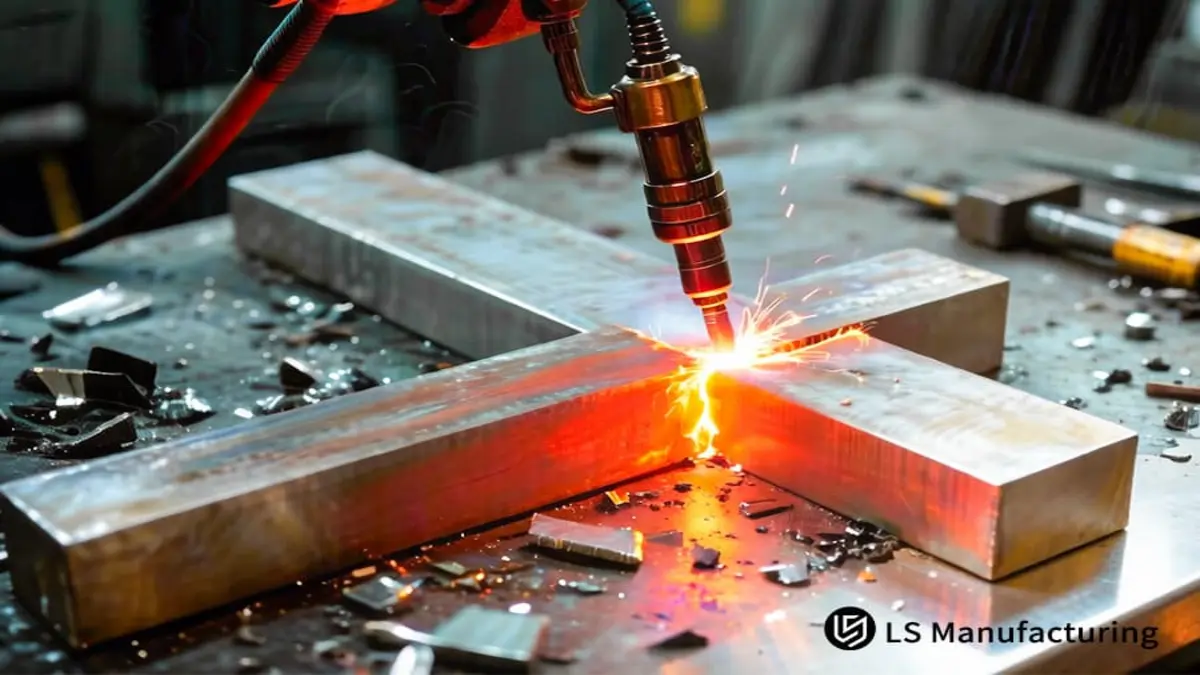
Direct Answer: How to TIG Weld Brass Successfully and Achieve Good Color Match
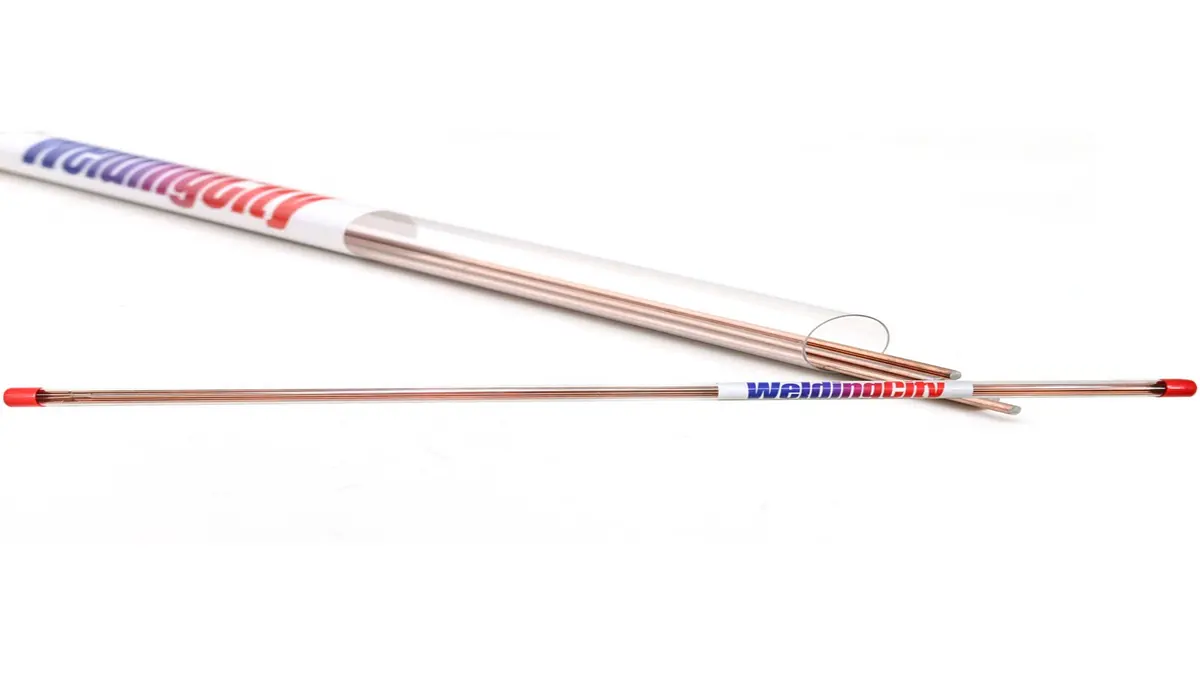
To TIG weld brass with good structural results and a decent color match, select either a silicon bronze or aluminum bronze filler rod. Silicon bronze (typically ERCuSi-A) is the most widely available and easiest to use for general joining and repair. For a closer color match, especially on yellow brasses, aluminum bronze filler rods are recommended, though true brass filler is rarely used for TIG welding. Use low heat, work fast to minimize zinc vaporization, and ensure thorough cleaning and ventilation. The process works best on uncoated, wrought or cast yellow brasses (typically containing 60–70% copper and 30–40% zinc) in sheet, plate, bar, or casting forms.
——————|———————|————————————–|——————————————-| | Silicon Bronze (ERCuSi-A) | Bronze tint, often darker | Most common for TIG on brass, copper, or joining to steel | Widely available, easy to use | | Aluminum Bronze (ERCuAl-A2, ERCuAl-A3) | Closest color match to yellow brass | Used when appearance is critical (e.g., restoration) | Harder bead, less zinc, less porosity | | Brass Filler | Good match, limited use | Rarely used for TIG; mostly for torch brazing | Can be sourced for ornamental work |
Summary:
- For most fabrication and repair: Use silicon bronze filler (ERCuSi-A).
- For best color match: Try aluminum bronze if aesthetics outweigh cost/availability concerns.
- When possible, test on scrap to check finished color after cleaning and finishing.
5. Heat Control and Welding Technique
Because brass boils and fume defects occur easily, your approach should focus on minimizing arc time directly on the brass:
- Preheat: For thicker sections (>1/4"), preheat to 150–200°C to improve flow and reduce amperage needs.
- Amperage: Use the lowest amperage that produces a workable puddle; typical: 60–120A on thin to medium sections.
- Heat Input: Keep arc focused on the puddle, not the unmelted brass base metal. Use pulsed TIG or manual foot-pedal pulsing for better control.
- Travel Speed: Move the torch steadily and quickly, avoiding excessive puddle growth.
- Puddling: Add filler quickly and move on—excessive heat leads to more zinc loss, fumes, and tungsten contamination.
Pro Technique:
- Frequently move the arc forward, add rod, and pull back to let the puddle freeze. This avoids overheating the base metal and losing zinc, which causes porosity and fumes.
Watch for Signs of Overheating:
- Bubbling in the puddle
- White smoke/fumes
- “Crusting” on the bead
- Tungsten tip turning black or fouled
If any of these occur, stop, grind the tungsten, clean the area, and restart.
Practical TIG Brass Welding Parameters Table
| Property | Recommendation | Notes |
|---|---|---|
| Shielding Gas | 100% Argon | 20–30 cfh typical flow |
| Electrode Type | 2% Thoriated, Pointed | 1/16" or 3/32" size |
| Current | DCEN (or AC if needed) | Try DCEN first; AC ok for specific repairs |
| Amperage | 60–120 A (thin to med brass) | Adjust up for thick sections, or use preheat |
| Filler Rod | ERCuSi-A or ERCuAl-A2 | 1/16" or 3/32" typical |
| Preheat | 150–200°C (thicker stock) | Reduces amperage needs, slows zinc vaporization |
| Travel Speed | As quick as possible | Reduces heat input, less fume |
Tips for Minimizing Zinc Vaporization
- Always keep your arc over the puddle, not the brass base.
- If using AC, set balance for maximum penetration (if available).
- Use pulsing features if your TIG machine supports it—pulsing at ~30 Hz helps.
- Allow the part to cool between beads—forced air cooling is OK but ensure no moisture on the part.
- Avoid weaving; straight beads minimize time over the joint.
- Clean any blackened tungsten immediately.
TIG Brazing: When TIG Welding Isn’t the Answer
For delicate, thin, or highly decorative brass assemblies (such as musical instruments or antiques), TIG brazing may be preferable:
- TIG Brazing means melting a compatible filler (silicon bronze or brass brazing rod) onto the surface without melting the base metal entirely.
- Results in low heat input, minimal distortion, and reduces zinc vaporization.
- Suitable for thin sheet, tubing, or sensitive restorations.
- The same joint prep, gas, and safety advice applies.
Post-Weld Cleaning and Color Matching
- Wire brush with stainless or brass brush after cooling.
- If required, light buffing or polishing restores the surface luster.
- Silicon bronze welds are typically gold to darker reddish bronze; aluminum bronze welds are a closer visual match for yellow brass, especially after light abrasion.
- If precise color match is non-critical, cleaning usually achieves acceptable results.
- If finishing for display, test post-weld polishing on a sample first.
Typical Problems and Troubleshooting
Problem: Porosity and pitting in weld
- Solution: Lower amperage, reduce heat input, ensure clean surfaces, use pulsing, improve shielding gas coverage.
Problem: Foul/frosted tungsten electrode
- Solution: Zinc is boiling and coating the tungsten; drop amperage, move faster, use AC with balance or grind the tungsten and resume.
Problem: Gray/black oxide around weld
- Solution: Improve cleaning, increase gas lens coverage, reduce overheating.
Problem: Poor color match
- Solution: Try aluminum bronze filler or adjust wire brushing/polishing technique after welding.
Summary Table: Key TIG Welding Brass Decisions
| Step | Practical Recommendation |
|---|---|
| Best Filler | Silicon bronze (ERCuSi-A) |
| Best Color Match Filler | Aluminum bronze (ERCuAl-A2/A3) |
| Typical Shield Gas | Argon |
| Electrode | 2% thoriated, sharp |
| Process Type | DCEN (try AC for repairs) |
| Cleaning | Acetone, wire brush |
| Main Danger | Zinc fumes (fume extraction mandatory) |
| Welding Form | Works best on clean plate, bar, or casting |
| Joint Fit-up | Tight fit, minimal gap |
Final Checklist for TIG Welding Brass
- Verify base metal is suitable brass with moderate zinc content (not high-lead or high-zinc alloys)
- Clean base metal thoroughly before welding
- Set up fume extraction and wear a respirator
- Use silicon bronze or aluminum bronze filler
- Use low, pulsed heat and keep your arc on the puddle
- Watch for fuming and overheating—pause and clean as needed
- Wire brush and polish the finished weld for best results
- For best color match, sample both filler rod types on test pieces
By following these practical steps, you can achieve structurally sound, visually acceptable TIG welds on most common yellow brass alloys while minimizing health risks and weld defects.
References
Basic Filler Metal Selection for TIG Welding – Weldmonger. (n.d.). weldmongerstore.com. https://weldmongerstore.com/blogs/weldingtipsandtricks/wm-blitz-video-24-basic-filler-metal-selection
Brass TIG Welding - Black Oxide around welds - Help!. (n.d.). practicalmachinist.com. https://www.practicalmachinist.com/forum/threads/brass-tig-welding-black-oxide-around-welds-help.326703
How to Tig Weld Brass - A Tig Welding Brass Repair Job. (n.d.). youtube.com. https://www.youtube.com/watch?v=Yef3z1a6re8
How to Weld Brass with TIG and MIG Welding?. (n.d.). arccaptain.com. https://www.arccaptain.com/blogs/article/how-to-weld-brass
TIG Brazing Brass. (n.d.). youtube.com. https://www.youtube.com/watch?v=7udYchu6Csc
Tig Weld Brass. (n.d.). weldingtipsandtricks.com. https://www.weldingtipsandtricks.com/tig-weld-brass.html
TIG welding Brass - Miller Welding Discussion Forums. (n.d.). forum.millerwelds.com. https://forum.millerwelds.com/forum/welding-discussions/10850-tig-welding-brass
TIG welding Brass. - WeldingWeb Community. (n.d.). weldingweb.com. https://www.weldingweb.com/threads/tig-welding-brass.636731