MetalsAlloy
How Can You Reliably Tap Fine and Small Threads in 7075 Aluminum?
Published:
Direct Answer: How to Tap Fine and Small Threads in 7075 Aluminum
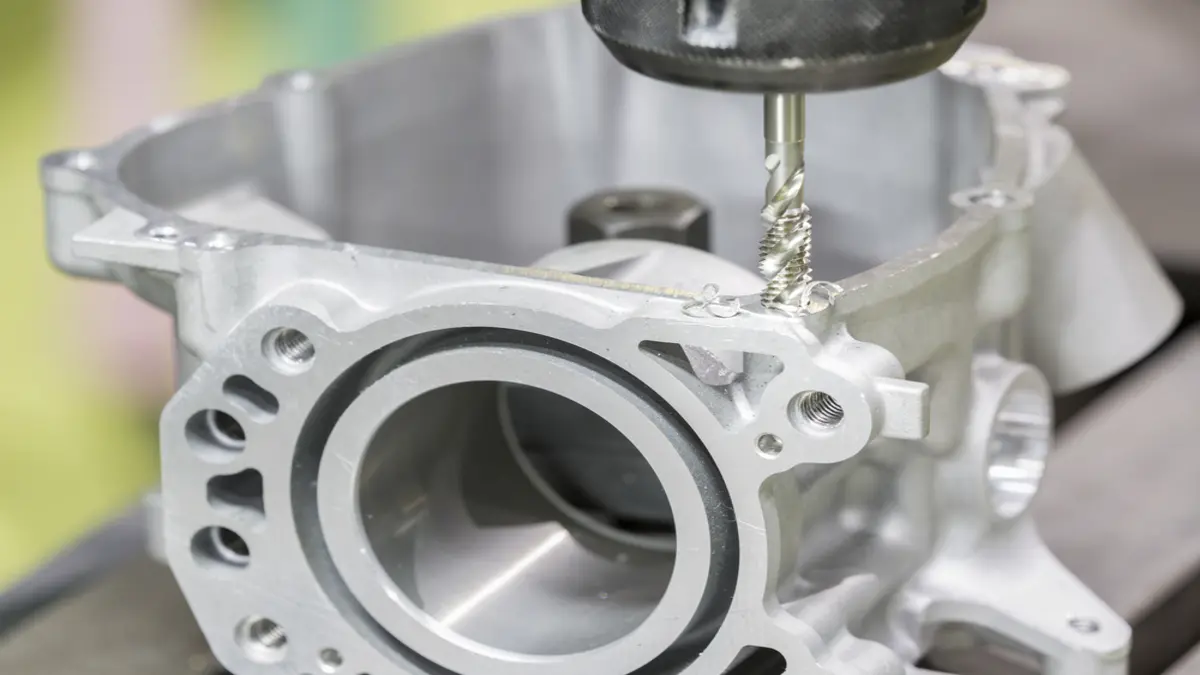
To tap reliable fine or small threads in 7075 aluminum, especially the T6 temper, use a sharp, high-quality tap specifically designed for aluminum (preferably a form tap for small diameters), ensure correct tap drill sizing (optimizing engagement to prevent jamming or stripping), use an appropriate aluminum-compatible lubricant, and rigidly align the tap—whether by CNC rigid tapping or precise manual setup. For small threads, select squarish cross-section form taps to avoid swarf clogging. Always ensure excellent hole quality, minimize runout, and never force dull or worn taps.
This advice applies to 7075-T6 and similar hard tempers, in wrought product forms—such as plate, bar, or billet—where thread quality and tool life are critical.
—————–|———————–|———————————| | Yield Strength | ~73,000 psi (503 MPa) | T6 temper, high for aluminum | | Hardness | 87–91 HB | Brinell scale | | Typical Product | Billet, plate, bar | Wrought, not cast |
Why Tapping Fine and Small Threads is Challenging
Tapping in 7075-T6 is generally easier than in most steels but notably more difficult than in softer aluminum grades. Fine and small threads compound the risk:
- Higher breakage risk from tight clearances and reduced tap strength
- Increased chance of tap jamming or stripping due to poor chip evacuation and rapid work hardening
- Precise alignment and runout control are critical—small errors cause thread failure quickly
For thread sizes below 0-80 (e.g., 2-56, 000-120), minor problems in setup or tooling multiply.
Best Practices for Tapping 7075 Aluminum
1. Tap Type Selection: Cutting vs. Form Taps
Cutting Taps:
- Spiral flute taps: Best for blind holes (chips pulled upward)
- Spiral point (gun taps): Efficient for through holes (chips pushed forward)
- Use taps specially designed for aluminum: large flute volume, polished flutes, bright or TiN-coated
Form Taps (Thread Rolling Taps):
- Recommended for small threads in 7075-T6; suitable up to and below 0-80 size
- No chip generation: less risk of chip packing or breakage, especially valuable with fine threads
- Look for ‘squarish’ cross-section form taps rather than traditional radial groove (which can trap swarf in tiny threads)
- Standard form taps work well for sizes 4-40 and larger. Below this, geometry is critical—choose taps specifically advertised for aluminum and fine threads.
Summary Table:
| Thread Size | Recommended Tap Type | Notes |
|---|---|---|
| ≥ 4-40 | Standard form or cutting tap | Use spiral point for through, spiral flute for blind holes |
| 0-80 and smaller | Aluminum-specific form tap | Squarish cross-section; critical to avoid swarf jamming |
| Extremely fine | Only high-precision form tap | Confirm availability for 000-120 or 00-90 sizes |
2. Tap Material and Coatings
- HSS taps are standard; powder metal taps absorb shock better for fine threads.
- Bright finish (uncoated) or TiN (Titanium Nitride) for reduced friction—avoid dark oxide coatings, which are best for ferrous alloys.
- For high-production or abrasive conditions, some use ZrN or other special coatings for aluminum.
3. Drill Size Selection and Thread Engagement
- Do not use generic tap-drill formulas. Too much engagement risks tap breakage; too little, stripped threads.
- Target 60–75% thread engagement for most threads in 7075, especially with small taps. Reduce engagement (enlarge drill size slightly) for sub-0-80 threads.
- Check manufacturer charts for form tap drill sizes, which are larger than for cutting taps.
- Example: For 0-80 threads (using a form tap), choose a 0.079" drill (for about 60–75% engagement). Too small a hole (over 75% engagement) increases torque and tap breakage risk.
4. Lubrication and Coolant
- Use a dedicated aluminum tapping fluid: Tap Magic Aluminum, WD-40, or other low-viscosity non-staining lubricants.
- Flood coolant is preferred for CNC; for manual, re-apply fluid every hole.
- For deep or fine threads, minimum-quantity lubrication sometimes suffices, but err on the side of more fluid.
- Avoid old, gummy or generic oils that can build-up edge and clog flutes.
5. Tool Holding and Tapping Technique
- CNC Rigid Tapping: Use ER collets or precision holders with <0.001" TIR. Verify spindle synchronization. Depths up to 2.5xD achieved in 7075-T6 with high-quality taps and optimal holder.
- Manual Tapping: Start tap perfectly aligned—use a guide block, tapping head, or drill press; do not rely on ‘hand feel’ for small taps.
- Use clutch-torque tapping heads for production; spring-loaded floating tap holders can compensate for minor misalignment.
6. Chamfering, Deburring, and Hole Prep
- Chamfer hole entrances to reduce cross-threading and tap lead-in torque.
- Deburr after tapping to ensure clean thread starts and avoid galling with fasteners later.
- Clean chips out thoroughly, as embedded swarf rapidly ruins thread surface.
Troubleshooting Table: Common Problems & Solutions in 7075-T6
| Problem | Common Causes | Solutions |
|---|---|---|
| Small tap breakage | Excess chip load, bad geometry | Use form tap, increase lube, switch to squarish design |
| Threads stripped | Drill size too small or too large | Verify correct drill per tap’s recommendation |
| Tap breaks at bottom | Blind hole too shallow, no relief | Provide bottom clearance; peck tap in deeply |
| Galled threads | Poor lubricant, high friction | Use better/cleaner lube, check tap sharpness |
| Inconsistent depth | Spindle/tapping head fault | Service equipment, check runout and synching |
Practical CNC and Manual Operating Tips
- For holes less than 2x diameter deep, start with conservative feed and speed recommendations from tap manufacturer or reliable shop documentation.
- For finest threads (000-120, 00-90), balance engagement and tap geometry even more carefully: documented production in 7075-T6 at depths up to 2.5xD is possible, but beginners should start at 2xD or less.
- Always check thread with a gauge or representative screw before finishing a batch.
- Do not attempt to “power through” with a dull tap—cost of part loss and tap removal exceeds savings.
Recommendations for Fine-Thread Tapping in 7075-T6
For 0-80 and Smaller Threads:
- Use only premium squarish form taps (e.g., OSG or Balax types)
- Always use a precision holder
- Drill to the tap manufacturer’s recommended size, but consider increasing by 1–2 drill sizes if encountering resistance (engagement above 75% usually unnecessary)
- Double-check runout of tap, especially in collet holders
- Use high-quality aluminum tapping fluid and clear chips between holes
For All Thread Types:
- Inspect taps frequently—replace at first sign of wear
- For production, document hole count per tap and pre-emptively replace
- Train operators to recognize and respond to chip packing or resistance increases
When Troubleshooting:
- Switch from radial groove form taps to squarish profile if chips build up in fine sizes
- Try alternate lubricants if surface finish or galling occurs
- Adjust spindle reversal settings on CNC to avoid thread pullout or tap stall
Summary Comparison: 7075-T6 vs. 6061-T6 for Tapping Fine Threads
| Feature | 7075-T6 | 6061-T6 |
|---|---|---|
| Strength | Higher (more tap wear) | Lower (less tool wear) |
| Ductility | Lower; chips more brittle | Higher; can be gummy |
| Tap break risk | Higher, esp. fine threads | Moderate for fine threads |
| Lubricant needed | Critical | Still important |
| Engagement range | 60–75% ideal | 65–80% commonly OK |
Conclusion
Tapping fine and small threads in 7075 aluminum—especially the T6 temper—demands precise tool selection, careful attention to engagement and lubrication, and excellent tap alignment. Use form taps for sub-4-40 threads, keep holes chamfered and deburred, and never compromise on tap quality or lubrication. When possible, validate your process with test pieces before production. Properly done, high-quality threads and long tool life are achievable even in this high-strength alloy.
References
7075 Aluminum Machining Guide: Optimizing Feeds, Speeds, and Tool Selection – Jucheng CNC Machining. (n.d.). jccncmachining.com. https://www.jccncmachining.com/blog/7075-aluminum-machining-guide-optimizing-feeds-speeds-and-tool-selection
7075 T6 Form Tapping: Small Thread Rigid Tap Parameters for Haas. (n.d.). industrialmonitordirect.com. https://industrialmonitordirect.com/blogs/knowledgebase/form-tapping-7075-t6-aluminum-000-120-to-0-80-thread-parameters
How to Tap Aluminum Extrusions Without Breaking Taps. (n.d.). paramountextrusions.com. https://paramountextrusions.com/blogs/how-to-tap-aluminum-extrusions-without-breaking-taps
Need some advice on tapping in aluminum - CNCARENA FORUM. (n.d.). en.industryarena.com. https://en.industryarena.com/forum/thread/335913-need-some-advice-on-tapping-in-aluminum
Tapping 1/4" threads into 6061 aluminum tips needed. (n.d.). facebook.com. https://www.facebook.com/groups/metal.fabrication.tips/posts/940088297146278
tapping aluminum - tap clogging. (n.d.). hobby-machinist.com. https://www.hobby-machinist.com/threads/tapping-aluminum-tap-clogging.79541
THE BEST ALUMINUM TAPPING FLUID #1044 tubalcain. (n.d.). youtube.com. https://www.youtube.com/watch?v=PSjSM4kRTec
Tips and Tricks for Threading Aluminum Parts. (n.d.). ctemag.com. https://ctemag.com/articles/tips-and-tricks-threading-aluminum-parts