MetalsAlloy
How Can You Fill a Small Hole in Cast Bronze for Maximum Strength and a Seamless Finish?
Published:
Direct Answer: Best Practice for Filling Small Holes in Cast Bronze
For a newly cast bronze part with a small hole (such as 2 mm diameter), the most robust, long-lasting, and nearly invisible repair is achieved by using a metal plug—ideally of matching bronze alloy—fitted and fixed by mechanical or metallurgical means. The two most preferred approaches are:
- Press-fitting or threading a solid bronze plug (from round stock)
- Brazing or fusion welding with matching bronze material
These methods deliver a seamless appearance and structural strength, closely mimicking the original casting in both visual and mechanical integrity.
This guidance is relevant to commonly used engineering and art bronze alloys (for example, CuSn8 or CuSn12 tin bronzes), in as-cast or annealed condition, where matching the filler metal to the parent material is feasible and preferred for restoration or aesthetic quality.
Main Methods for Filling Small Holes in Cast Bronze
1. Solid Plug Insertion (Pressed or Threaded)
Description:
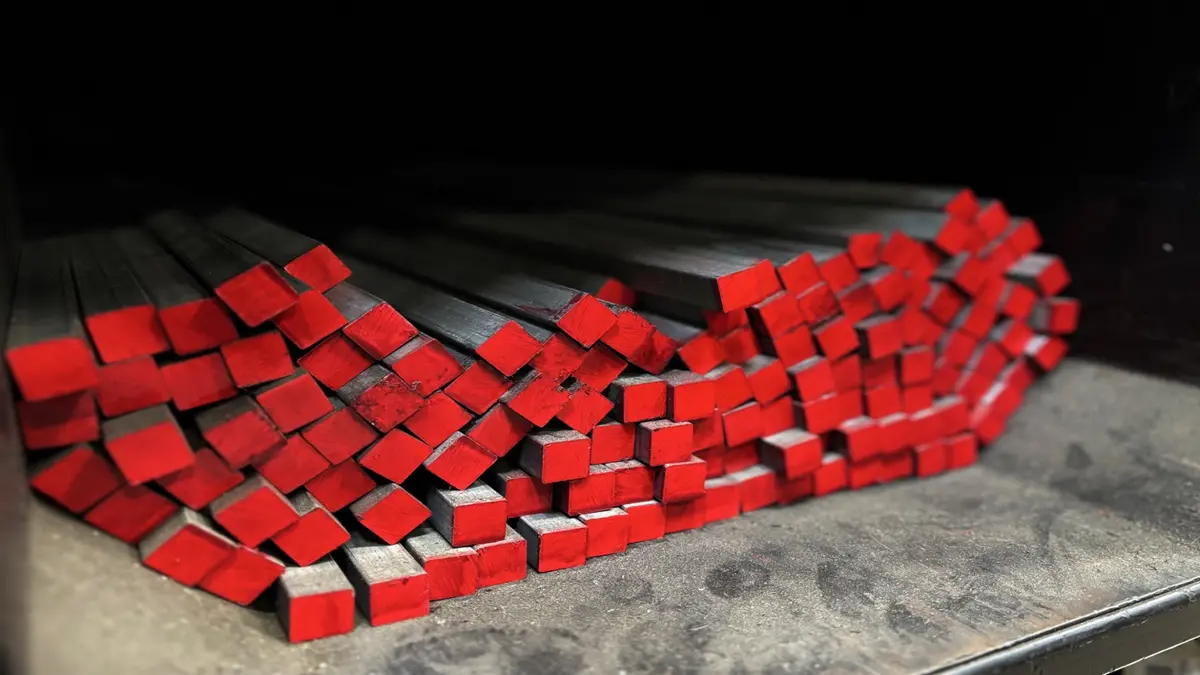
- Machine a solid plug from compatible bronze round stock, sized for an interference or threaded fit in the hole.
- The plug is either pressed in (for a round hole) or threaded (if the hole is tapped), then finished flush with the surface.
Steps:
- Shape the Hole: If the original hole is irregular, use a small drill or reamer to make it cylindrical with clean edges. Slightly chamfer the edge to allow for finishing.
- Prepare the Plug: Turn or file a plug from bronze rod matching the parent alloy. For a press-fit, the plug should be a slight oversized cylinder; for threading, cut an external thread matching a tapped hole.
- Insert the Plug:
- For press-fit: Gently hammer or press the plug into place using a small arbor press. Use lubricant if necessary, but take care not to deform the surrounding metal.
- For threaded: Apply a thin layer of copper-based anti-seize or thread-lock compound and screw the plug tightly.
- Peen and Blend: Lightly peen the ends to expand the plug and ensure a mechanical lock. Carefully file and sand flush.
- Refinish Surface: Polish or patinate to match the surrounding bronze.
Advantages:
- Preserves metallic integrity (no foreign substances)
- High mechanical strength, suitable for load-bearing areas
- Seamless visual appearance achievable with patient blending
When to Use:
- Small, accessible holes (e.g., up to ~4 mm diameter)
- Sculpture and mechanical items requiring invisible repair
2. Brazing or Fusion Welding with Bronze
Description:
- Fill the hole using molten bronze, applied via brazing (using a torch and bronze rod with flux) or fusion welding (melting parent and filler together, usually with a TIG torch).
Steps:
- Clean the Surface to bright metal using a rotary tool or abrasive.
- Prepare Filler Material:
- Select a filler rod compatible in alloy and appearance (refer to casting alloy).
- For best color match, use a sample piece taken from the original casting sprue or a matching alloy from bronze round stock.
- Weld or Braze:
- For small holes, preheat the area evenly to minimize thermal shock.
- Apply the filler metal with a precise torch or TIG setup. Add material until the hole is slightly overfilled.
- Cool and Blending:
- Allow slow cool to minimize stress. File, sand, and polish the patch flush.
- Finish Surface:
- Color and patina as needed to match the parent bronze.
Advantages:
- Metallurgical bond, nearly as strong as original material
- Seamless and invisible when done skillfully
- No joints or mechanical interfaces to fail
When to Use:
- Holes in non-accessible regions
- Areas where absolute continuity is required
- Restoration of high-value art bronze
3. Mechanical and Historical Methods
Ancient methods often involved hammering thin bronze patches into surface defects, sometimes in combination with metal dowels for security. These approaches can be adopted if you want to mimic historical restoration work, especially for archaeological pieces where invasive processes are avoided.
Methods Not Recommended for Strength or Seamlessness
- Soft soldering: Lead-tin solders are easy to apply but much weaker than bronze and are prone to visual mismatch. These are suitable only for non-structural, hidden joins.
- Epoxy or putty fillers: While they can be colored to match, they lack strength and are not permanent; avoid for anything beyond decorative patching or gap-filling.
- Non-metallic fillers: Any non-metal filler will fail to match the material’s mechanical properties and is not suitable for high-quality bronze repair or restoration.
Comparison of Primary Methods
| Method | Strength | Seamlessness | Process Complexity | Reversibility | Notes |
|---|---|---|---|---|---|
| Solid bronze plug | High | Excellent | Moderate | High | Best for small, accessible holes |
| Brazing/fusion welding | Very High | Excellent | Higher | Low | Best for high-value artistic work |
| Soft solder/putty | Low | Poor-Moderate | Low | Moderate | Not robust; only for superficial repairs |
Required Tools and Materials
For Plugging:
- Bronze round stock (matching alloy, as-cast or annealed)
- Drill bits, reamers, tapping tools (if threading)
- Small hammer or arbor press
- Files, sandpaper, and polishing tools
For Welding/Brazing:
- TIG welder or Oxy-acetylene torch
- Bronze brazing rods (alloy matched)
- Flux (for brazing)
- Protective equipment (goggles, gloves, ventilation)
Detailed Step-by-Step Example: Plugging a 2 mm Hole in Cast Bronze
- Evaluate the Hole: Ensure the hole is not covering a larger void. Drill a short, shallow cylindrical section for a snug plug fit.
- Cut Bronze Plug: Use 2 mm diameter bronze rod or round stock. Saw a piece slightly longer than the hole’s depth.
- Press-fit or Thread: Decide on a friction fit or add threads.
- Insert the Plug: Tap gently until slightly proud of the surface.
- Peen and Blend: Use a rounded punch to peen both ends, swelling the plug for a tight fit.
- Finish Surface: File flush, sand with progressive grits, then polish or patinate to restore appearance.
Tips for Seamless, Durable Restoration
- Match the alloy as closely as possible. Juxtaposed metals age and patinate differently; a mismatched plug will become visible over time.
- If possible, use turnings or cuttings from the original casting gates or sprues for the patch material.
- Work slowly during finishing: Over-grinding may create a dished or polished patch.
- If you lack advanced welding skill, use the plug approach. Fusion welding on bronze requires careful thermal management to avoid introducing new defects.
Surface Finishing and Patina Matching
- Use fine files and multiple grits of emery or wet/dry paper to blend repairs perfectly flush.
- For patinated bronzes, replicate patina using traditional chemicals such as liver of sulfur, ferric nitrate, or ammonia fuming, starting with a small hidden area to dial in the right color and texture.
- Protective wax or lacquer coating can help mask minor differences in finish and provide corrosion resistance during re-aging.
Common Challenges and Solutions
- Plug comes loose: Undersized plug or poor fit. Ream carefully; use mild peening.
- Color mismatch: Try a different alloy; test patina on scrap.
- Hole much larger internally (shrinkage cavity): Consider drilling a stepped bore and inserting a longer plug, possibly pinned or dovetailed for security.
Maintenance and Inspection
Properly filled and finished, a small plug in cast bronze is permanent and can be considered a full restoration. Future inspection should look for:
- Discontinuities in the patina indicating movement or corrosion at repair joint
- Surface cracks—may indicate plug failed to bond or was not fitted tightly
- Differential aging/color—address with touch-up patina if desired
When to Seek Professional Help
If the hole is in a high-value antique, a museum-grade artwork, or in a critical structural location (e.g., thin-walled bronzework such as arms or legs of statuary), engage an experienced bronze restorer for a professional evaluation. Advanced brazing, TIG welding, or historical approaches may be warranted, and some situations require X-ray inspection to ensure the defect does not extend deeper than visible.
Conclusion: Reliable and Discreet Bronze Restoration
For most cases involving small holes in cast bronze—especially those with requirements for maximum strength and a seamless finish—mechanical plugging or metallurgical filling using matching bronze alloy are the ideal solutions. These techniques, when done carefully, will restore the visual and structural integrity of the piece for generations.
References
Ancient Repairs on Bronze Objects | The EXARC Journal. (n.d.). exarc.net. https://exarc.net/issue-2012-3/ea/ancient-repairs-bronze-objects
fill. (n.d.). thefreedictionary.com. https://www.thefreedictionary.com/fill
FILL | English meaning - Cambridge Dictionary. (n.d.). dictionary.cambridge.org. https://dictionary.cambridge.org/dictionary/english/fill
FILL Definition & Meaning - Merriam-Webster. (n.d.). merriam-webster.com. https://www.merriam-webster.com/dictionary/fill
FILL Definition & Meaning | Dictionary.com. (n.d.). dictionary.com. https://www.dictionary.com/browse/fill
FILL definition and meaning | Collins English Dictionary. (n.d.). collinsdictionary.com. https://www.collinsdictionary.com/dictionary/english/fill
FILL Synonyms: 128 Similar and Opposite Words | Merriam-Webster Thesaurus. (n.d.). merriam-webster.com. https://www.merriam-webster.com/thesaurus/fill
Should I Fix My Metal Sculpture and Where | Sculpture Repair. (n.d.). lakesidepottery.com. https://lakesidepottery.com/Pages/Pottery-tips/should-i-repair-my-metal-or-bronze-sculpture-or-statue.htm