MetalsAlloy
How Do You Anneal Aluminum With a Plumber’s Torch for Safe, Effective Softening?
Published:
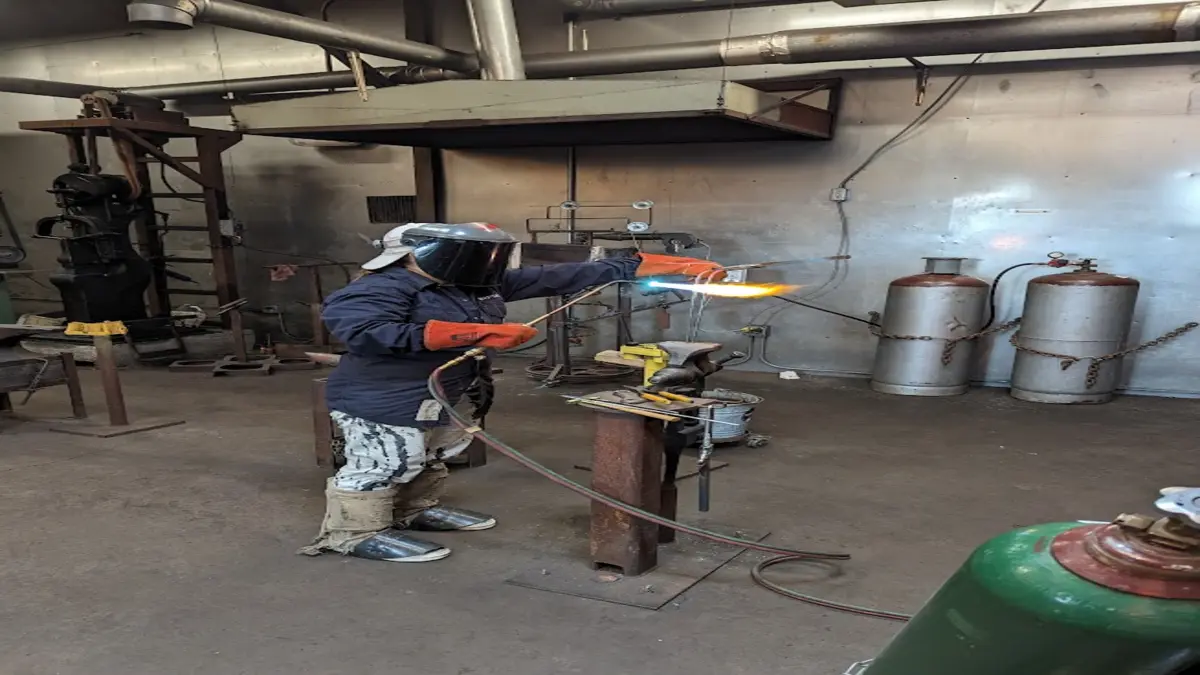
Direct Answer: Annealing Aluminum with a Plumber’s Torch
To anneal aluminum using a plumber’s (propane or MAP gas) torch, first clean the aluminum, then apply a plain soap or black marker (Sharpie) on the surface. Heat the aluminum evenly, moving the torch to prevent hot spots, until the soap turns black or the marker disappears—indicating the correct annealing temperature (typically 300–400°C / 570–750°F for most alloys). Let the aluminum air cool. This process softens the metal, relieves internal stress, and dramatically improves workability without specialized equipment.
———-|————–|———————-|——————–|——————————| | 1000 | 1100 | 300–400°C | Very easy | Very soft, pure aluminum | | 3000 | 3003 | 345–415°C | Easy | Good ductility | | 5000 | 5052 | 345–415°C | Moderate | Needs good control | | 6000 | 6061/6063 | 345–415°C | Cautious | Loses heat-treated strength |
4. Hold Briefly
Unlike steel, aluminum does not require lengthy soak times. For sheet and bar stock, 10–30 seconds at temperature is sufficient for most small-to-medium pieces.
5. Air Cool
- Remove the torch and allow the metal to cool naturally in air.
- No need to quench in water. Cooling rate is not critical for most alloys and conditions.
- The part may feel cool long before it is safe to touch; use pliers or tongs.
Key Points and Safety Tips
- Aluminum does not glow before melting. By the time it appears hot, it may be close to melting (above 600°C / 1112°F). Always use the soap or marker method, not color.
- Do not overheat. Overheating can cause grain coarsening, warping, or melting. “Less is more”—you can always reheat if needed.
- Work in a ventilated area. Heating soap or marker can produce fumes.
- Use gloves and safety glasses. The aluminum will be hot, and burns are a common hazard because the metal looks deceptively cool.
Results: What Changes After Annealing?
- Softness: Aluminum becomes much softer and more pliable, especially compared to its hard or work-hardened state.
- Workability: The part can now be bent, formed, or shaped without cracking.
- Stress Relief: Removes internal stresses for stability in later service.
Critical note for 6xxx series (e.g., 6061-T6): Annealing destroys the original heat-treated (T6) strength. The softened temper (O or T0) cannot be restored without full solution heat treatment and aging, which is not achievable with a torch.
Alloy, Temper, and Application Considerations
Which Aluminum Products Can Be Torch-Annealed?
- Sheet, flat bar, tube, angle, or extrusion up to moderate thickness.
- Hard or highly worked material: H14, H16, H18 tempers, or T6 heat-treated alloys.
Not suitable for:
- Thick plate (>10mm / 3/8"), where heat may not fully penetrate.
- Massive or critical structural parts needing precise control over final properties.
- Heat-treatable alloys where retention of maximum strength is crucial.
What If You’re Not Sure of Your Alloy?
Most home center aluminum is 6061 or 6063. Assume it will soften but not regain high strength after annealing. Always test on scrap if unsure.
Why the Old Timer’s Tricks (Soap and Sharpie) Work
These time-honored indicators exploit the change in thermal properties of simple organic materials:
- Soap turns black: At ~370°C (700°F), most unscented soaps will blacken—a reliable visual cue that matches the recrystallization temperature for aluminum forming.
- Marker disappears: Many permanent markers fade or vanish at just under 400°C, reliably flagging the right region for most alloys.
These methods are fast, cheap, and eliminate the guesswork from an otherwise “invisible” process.
Common Reasons Annealing Fails (and How to Prevent Them)
- Uneven heating: Keep the flame moving and focus on distributed warmth, not just one spot.
- Skipping cleaning: Dirt, oil, or oxidation acts as insulation, causing localized hot/cold zones.
- Waiting for a glow: Aluminum won’t give you this cue—use the visual trick for heat.
- Trying to re-harden 6061-T6 at home: The original hard-as-supplied state requires industrial heat treatment—not achievable with a torch.
Troubleshooting Your Annealing Process
| Symptom | Likely Cause | Solution |
|---|---|---|
| Still hard after annealing | Inadequate temperature or heating | Repeat, ensure evenness |
| Melting, sagging | Overheating, staying too long | Heat gently, watch cues |
| Warping or distortion | Heating too large an area at once | Support or heat smaller |
Shop Pro Tips for Best Results
- Anneal only as much as needed: Localize heating to just the bend or forming area to retain strength elsewhere.
- Allow flexibility: Don’t try to perform all forming at once—anneal, work, and repeat as needed.
- Start cooler than you think: You can always reheat!
- Let the marker or soap be your guide: These are far more reliable than any guesswork.
Comparison: Annealing with Torch vs. Furnace
| Method | Pros | Cons |
|---|---|---|
| Torch | Accessible, low-cost, quick for small jobs | Risk of uneven heat, less precise for thick/heavy parts |
| Furnace | Excellent temperature control, suitable for larger/thicker pieces | Expensive, not always available, slower setup |
For most single parts or small shop projects, the plumber’s torch is the tool of choice.
Final Thoughts: Unlocking Aluminum’s Workability
For home fabricators, hobbyists, or small-shop professionals, annealing aluminum with a simple torch is a practical game-changer. When you harness the power of controlled heat—and respect both the strengths and limitations of this technique—you can bend, form, and shape aluminum by hand with much less risk of frustration or failure.
Remember, a little soap or an old marker is all it takes to remove the guesswork and ensure success—even if you’re just using the same torch you’d sweat a copper fitting with. Understood and applied properly, this method turns even tough, work-hardened aluminum into a docile, cooperative material ready for your next creative challenge.
References
Aluminum Annealing Temperature: 300-415 C by Alloy. (n.d.). poolpole.com. https://poolpole.com/annealing-aluminum-explained
Annealing Aluminum: A Simple Guide in 2025 - Aluminum Supply. (n.d.). aluminummetalsupply.com. https://aluminummetalsupply.com/annealing-aluminum
Annealing Aluminum: A Simple Guide in 2026 - Aluminum Supply. (n.d.). aluminummetalsupply.com. https://aluminummetalsupply.com/ur/annealing-aluminum
General | annealing aluminum with a plumbers torch | Practical Machinist - Largest Manufacturing Technology Forum. (n.d.). practicalmachinist.com. https://www.practicalmachinist.com/forum/threads/annealing-aluminum-with-a-plumbers-torch.291647
How to Anneal Aluminum (Complete Workshop Guide) - Machining Answers. (n.d.). machininganswers.com. https://machininganswers.com/how-to-anneal-aluminum
How to Anneal Aluminum: A Comprehensive Beginner’s Guide - MFG Shop. (n.d.). shop.machinemfg.com. https://shop.machinemfg.com/how-to-anneal-aluminum-a-comprehensive-beginners-guide
How to Anneal Aluminum: Step-by-Step Guide for Beginners (Torch & Furnace) - Hugh Aluminum. (n.d.). hugh-aluminum.com. https://www.hugh-aluminum.com/how-to-anneal-aluminum
How to Anneal Aluminum: The Beginner’s Guide – Make It From Metal. (n.d.). makeitfrommetal.com. https://makeitfrommetal.com/how-to-anneal-aluminum-the-beginners-guide